
Treatment category
Orthodontics in Bishops Waltham
Straighter teeth, without the metal. We straighten crowded, spaced or misaligned teeth with Invisalign clear aligners, planned from a 3D scan so you can see the expected result before you start. Treatment is led by Dr Leigh Knowles, and planned around your bite, your gums and your long-term dental health.
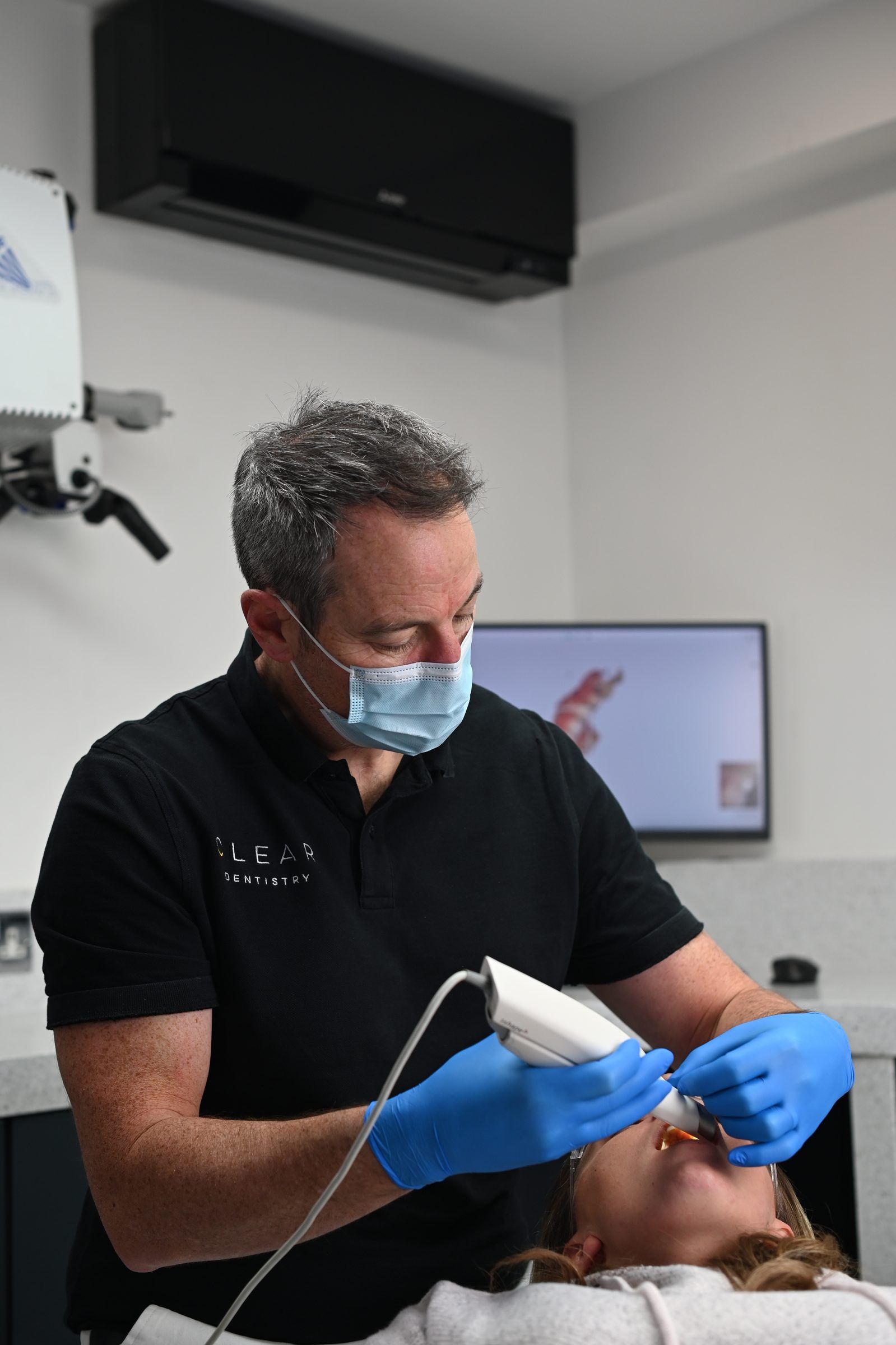
- iTero 3Dscan, no impressions
- ClinChecksee the planned result first
- Dr Leigh Knowlesleads orthodontics
How we straighten teeth
Planned with the end result in mind
Not just straight teeth
Orthodontic treatment works best when it is planned around the finished result: not only where the teeth end up, but how they work together, the health of the gums, and any cosmetic work you might want afterwards.
If your teeth are crooked and you are thinking about veneers or bonding, straightening them first often means far less restorative work later. That is why your orthodontic plan is made in conversation with the wider clinical team.
Who it suits
Clear aligners now treat a wide range of problems: crowding, gaps, overbites, underbites, crossbites and open bites, for adults and for teenagers. Some cases are still better suited to other orthodontic methods, and we will tell you honestly if that is true for you. The goal is the right result, not the most convenient path.
Realistic timelines
Minor corrections can take as little as three to six months. More complex cases can take twelve to eighteen months or longer. You will get a realistic timeline at your consultation, not an optimistic estimate designed to get you started, and a retention plan so the result lasts.

How Invisalign treatment works
Scan. Simulate. Straighten.
Treatment is digital from the first appointment, so you see the plan before you commit to it.
01 · Scan
A 3D scan, not a mould
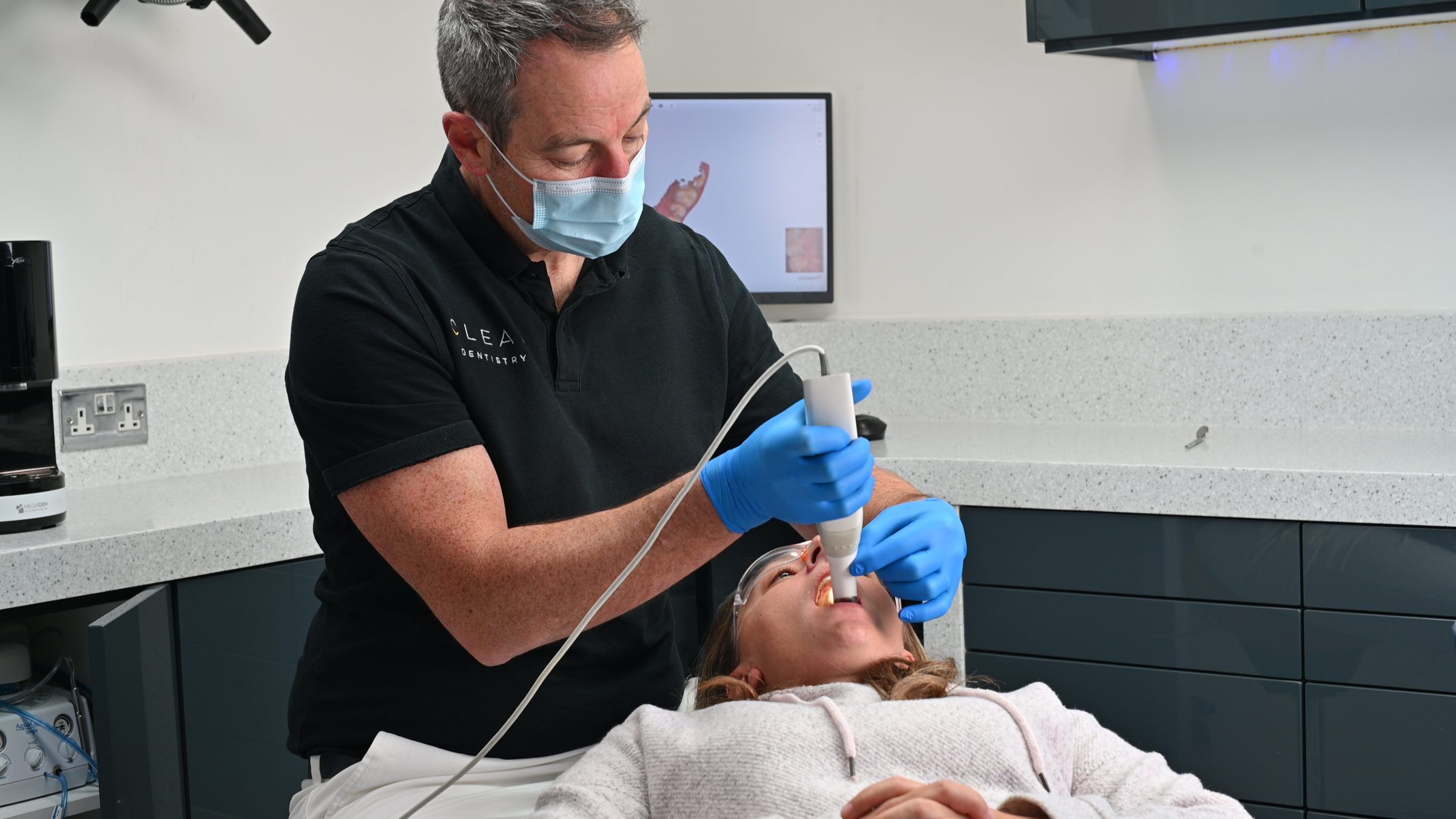
An iTero scan captures your teeth and bite in minutes, with no impression material.
02 · Plan
See the result first
A ClinCheck simulation maps every movement from start to finish, and shows you the expected outcome.
03 · Wear
A series of aligners
You change aligners every one to two weeks and wear them 20 to 22 hours a day, taking them out to eat and clean.
04 · Retain
Keep the result
Retainers hold your teeth in their new position. We plan retention from the start, because a result is only worthwhile if it lasts.
Read the transcript
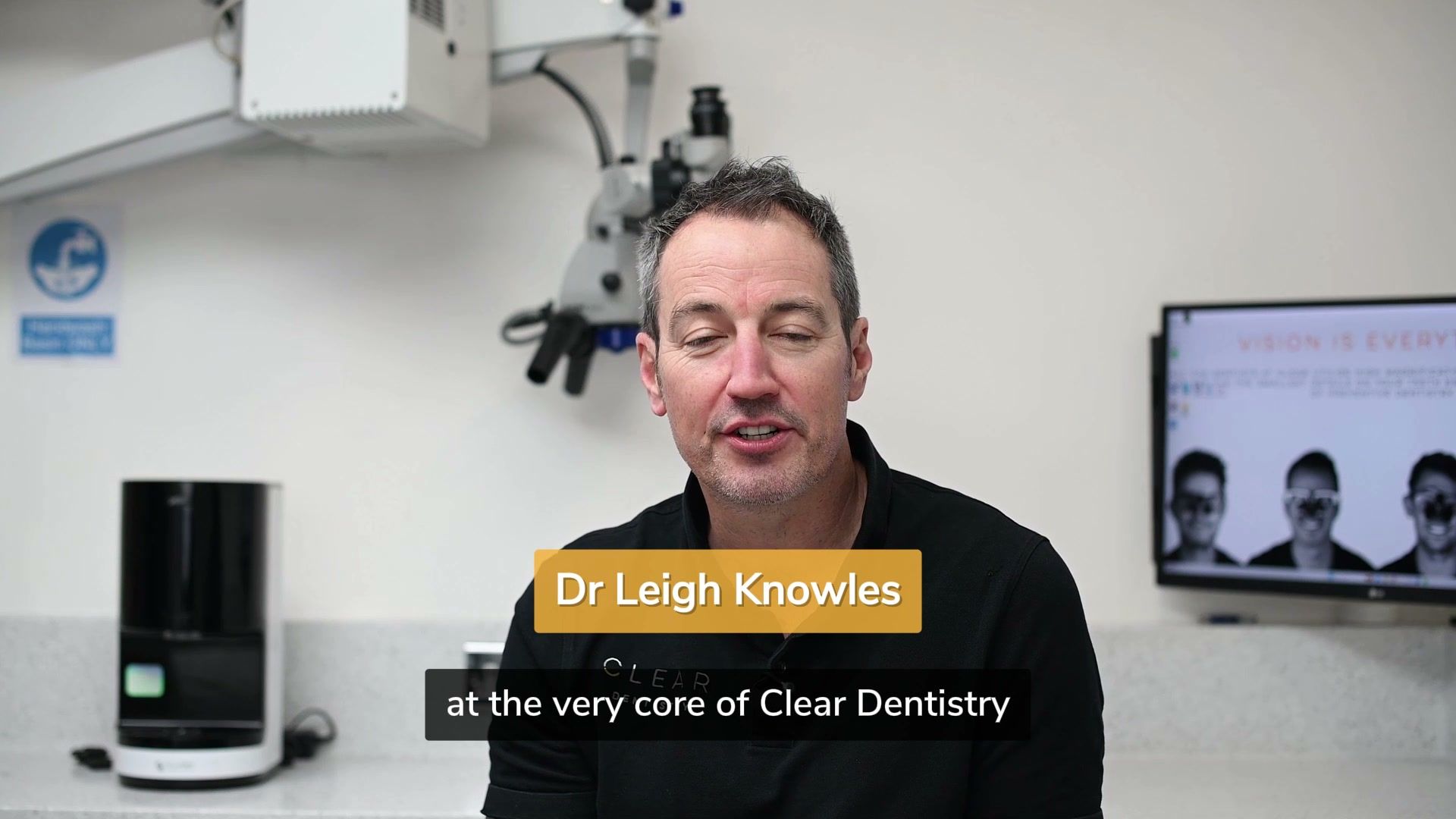
At the very core of Clear Dentistry, we are a digital practice. So that means all of our treatments, from the very start to the very end, are going to use the most up-to-date digital workflow. This makes treatment quicker, easier, more comfortable and more predictable. So from the very start, where we take your scan, to the very end, where we scan for your retainers, the whole process should be very straightforward, and you can have your smile delivered in the easiest possible way.
Watch · 0:30
Dr Leigh Knowles on Invisalign
Leigh leads orthodontics at the practice. Thirty seconds on how aligner treatment is planned around your face, your bite and your long-term dental health, and what to expect along the way.
Common questions
Can Invisalign fix my teeth as well as fixed braces?
In many cases, yes. Clear aligners now treat crowding, gaps, overbites, underbites, crossbites and open bites. Some cases are still better suited to fixed appliances, and we will tell you honestly if yours is one of them.
Will people be able to tell I'm wearing aligners?
That is the point of the system: most people around you will have no idea. The aligners are clear and made to fit your teeth. You take them out to eat, to drink anything other than water, and to clean your teeth.
How long does treatment take?
It depends on the complexity of your case. Minor corrections can take three to six months; more complex cases twelve to eighteen months or longer. You will get a realistic timeline at your consultation.
Will my teeth stay straight afterwards?
Only with retention. Once your teeth have moved, retainers keep them there. We plan retention as part of your treatment, because straightening your teeth is only worthwhile if the result is maintained.
Clinically reviewed by Dr Leigh Knowles (GDC 76315), 14 October 2026.