

4.9 from 245 Google reviews21 UK dental awardsAward-winning hygiene
Hoe Road, Bishops Waltham · Open Mon–Fri, until 7pm Mon–Thu
Skip to content
Clear Dentistry
Book a consultationCall 01489 892240

Restorative dentistry

Crowns, inlays and onlays

Some teeth have been through a lot: multiple fillings, root canal treatment, fractures, heavy wear. At some point a filling is not the right answer. Crowns, inlays and onlays are bespoke restorations made to fit your tooth precisely, restore its strength, and look completely natural.

  • Laboratory-mademade to fit your tooth
  • Colour-matchedmodern ceramics
  • Two visitsusually
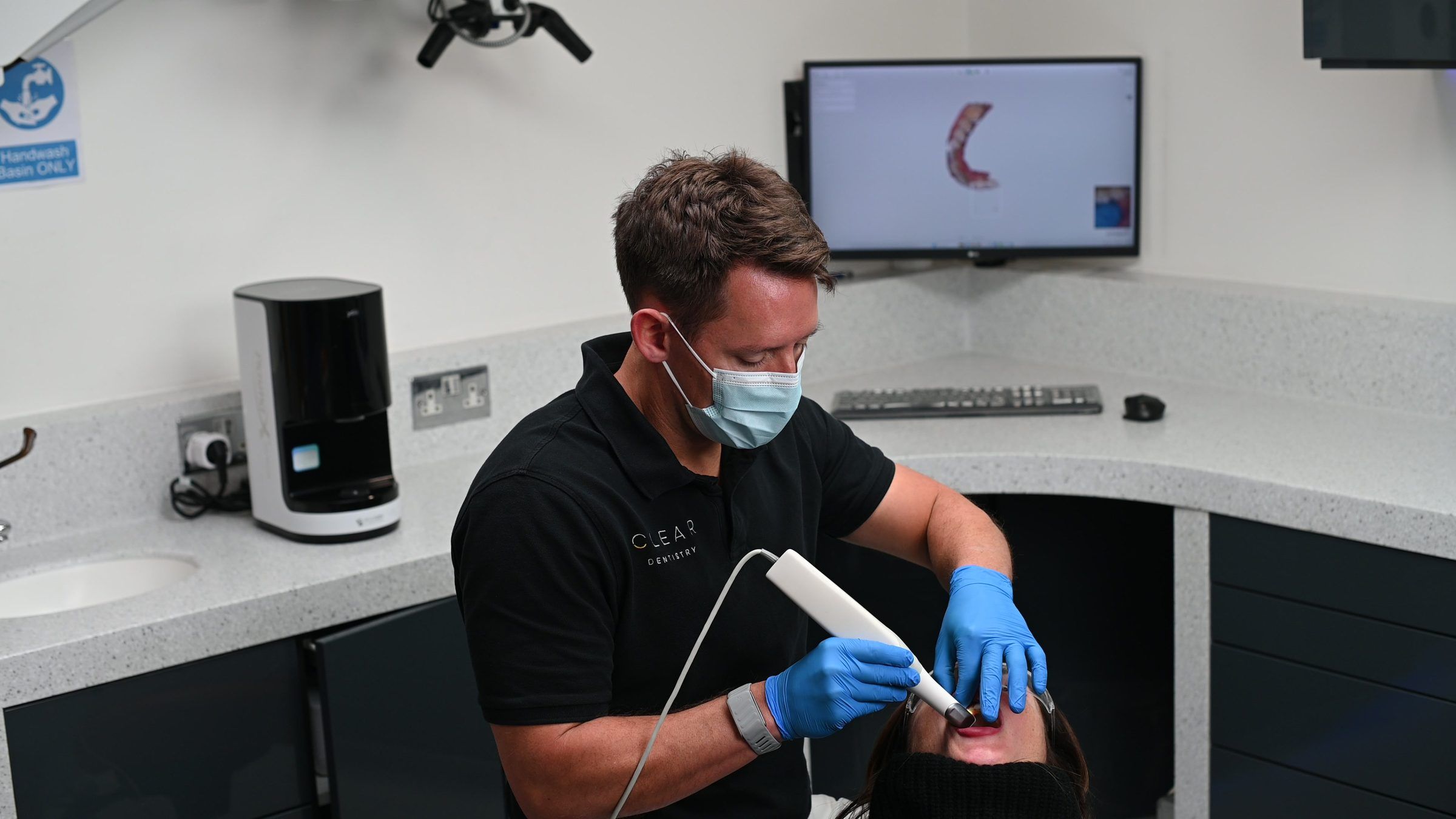
A dentist taking a digital scan, the 3D model building on screenAt the practice
Shown to you firstWe show you the tooth on screen and explain why a filling is or is not enough

About crowns, inlays and onlays

When a filling isn't enough, there's a better option

What's the difference?

A crown covers the entire visible surface of a tooth, like a cap, protecting a tooth that is heavily damaged, fractured or root-filled. An inlay sits within the cusps of a tooth, for decay or damage too extensive for a filling but not needing full coverage. An onlay extends over one or more cusps: a middle ground that preserves more natural tooth while still giving significant protection.

The right choice depends on how much healthy tooth remains, where the tooth sits, and what you need it to do. We will talk through the options and explain our thinking before you decide anything.

What they're made of

We use high-quality ceramic and porcelain, colour-matched to your natural teeth. Modern ceramics are extremely strong, stand up to the biting forces on back teeth, and look genuinely natural.

How long they last

With good home care and regular check-ups, a well-made crown or onlay can last many years. That depends on the position of the tooth, your bite, whether you grind, and how well you look after it. A crown or onlay protects your investment in a compromised tooth; it is often the difference between keeping the tooth for life and losing it later.

What to expect

Two appointments, about two weeks apart

The tooth is protected with a temporary restoration while the laboratory makes the final one.

  1. 01 · Prepare

    A precise preparation

    A small, exact amount of tooth is removed to make room for the restoration, under local anaesthetic.

  2. 02 · Scan

    Digital impressions

    A digital scan of the prepared tooth goes to the dental laboratory. No trays of impression material.

  3. 03 · Protect

    A temporary in the meantime

    A temporary restoration protects the tooth while the final one is made, usually over two weeks.

  4. 04 · Fit

    Fitted and checked

    The final restoration is fitted and cemented, your bite is checked, and any minor adjustments are made.

Read the transcript

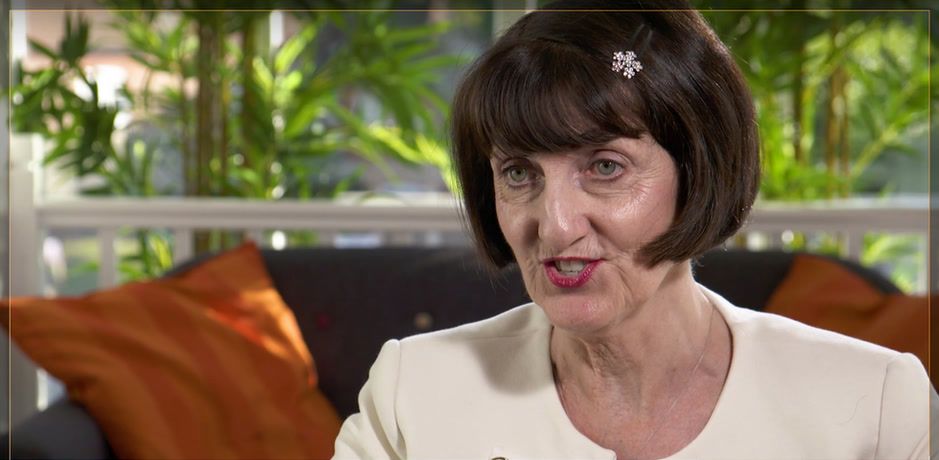
I was born of the generation where people were brought up to be petrified of dentists. In previous days they caused a lot of pain, had no explanation, it was a very scary experience. And suddenly meeting these new young dentists, it's absolutely fantastic. They keep you calm, they give you wonderful treatment. Very sensitive, very caring. When I first came here I needed some crowns to be done and they did them painlessly. Obviously teeth are very important and as one gets older you often need a bit more treatment. Everybody is really helpful from when you first ring to make an appointment. Then when you go in for your treatment the dental nurses are always lovely and as the the dentists themselves. Nothing ever seems too much bother for any of them which is something that's very special.

Patient story · 1:01

“They keep you calm, they give you wonderful treatment. When I first came here I needed some crowns and they did them painlessly.”

Julia was brought up to be frightened of dentists. She describes what having crowns here was like, and how the whole team looks after you.
Common questions

How do I know whether I need a crown, an inlay or just a filling?

It depends on how much healthy tooth remains. A filling suits smaller cavities. An inlay is used when damage is too extensive for a filling but does not need full coverage. An onlay extends over one or more cusps. A crown covers the entire visible surface, for a tooth that is heavily damaged, fractured or root-filled. We will explain our thinking before any decisions are made.

How long does it take, and what happens between appointments?

Usually two appointments about two weeks apart. At the first we prepare the tooth and take a digital scan for the laboratory, and place a temporary restoration to protect the tooth. At the second we fit and cement the final restoration.

How long will a crown or onlay last?

With good home care and regular check-ups, a well-made crown or onlay can last many years. Longevity depends on the position of the tooth, your bite, whether you grind, and how well you maintain it. We will give you honest expectations rather than tell you what you want to hear.

Will it look natural?

Yes. We use ceramic and porcelain colour-matched to your own teeth, which look genuinely natural. We avoid metal-based crowns for cosmetic reasons in most cases, and we will always discuss the options with you.

Clinically reviewed by Dr Leigh Knowles (GDC 76315), 14 October 2026.

Patient reviews

4.9

From 245 genuine Google reviews

Read all reviews

New patients welcome

Start with a clear picture.

Your first visit includes a full oral health assessment, digital imaging where it helps, and a clear explanation of what we find.

Find us

Hoe Road, Bishops Waltham
Hampshire SO32 1DS

Opening hours

Mon–Thu
8:00am – 7:00pm
Friday
8:00am – 5:30pm
Dr Chris Leech and Dr Leigh Knowles
4.9245 Google reviews
Book a consultation

Book a consultation

How would you like to book?

Book directly onlineChoose a time in our online booking system, with live availability.Book onlineOpens our booking system in a new tab.

Rather talk to someone? Call us on 01489 892240.